California’s Mail-In Ballots Face Rising Rejection Rates Amidst Concerns Over Postal Service and Election Integrity

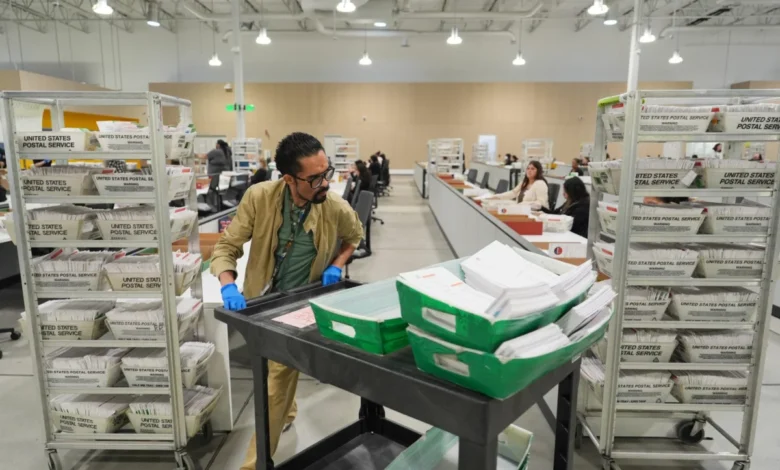
California’s June primary election saw a significant surge in rejected mail-in ballots, with nearly 150,000 votes disqualified. This increase, despite the state’s ongoing efforts to bolster voter turnout and ensure every ballot is counted, has ignited fresh concerns about the efficacy of mail-in voting processes and the potential impact of evolving U.S. Postal Service (USPS) operations. The situation has drawn attention from election officials, voting rights advocates, and lawmakers, who are grappling with the complex factors contributing to this trend.
The Escalating Rejection Numbers
Official data released by the California Secretary of State’s office reveals that 148,241 mail-in ballots were rejected in the June primary. This figure represents 1.73% of all mail ballots cast, marking a noticeable uptick from previous election cycles. In the 2024 primary, 108,982 mail ballots were rejected, equating to a 1.56% rate. The 2022 primary saw a similar rejection rate, with 105,818 mail ballots voided. While these percentages may seem small in isolation, the raw increase in the number of disqualified votes highlights a growing challenge for election administrators aiming for maximum participation and accurate representation.
The primary driver behind this surge in rejections is consistently identified as late-arriving ballots. In the June election, a substantial 93,479 ballots were disqualified on these grounds, far exceeding other reasons for rejection. This number is up from approximately 70,000 rejections due to lateness in the 2022 primary and around 76,000 in the 2024 primary. Although turnout in the earlier elections was lower, the escalating number of ballots disqualified solely because of their arrival time is a point of significant concern for election integrity experts.
Late Ballots: A Complex Causality
Election experts and voting advocates point to several potential causes for the increased number of late-arriving ballots. While California law allows mail-in ballots to arrive up to seven days after Election Day and still be counted, provided they are postmarked by Election Day, the data suggests that the issue often lies with the postmark itself.
Kim Alexander, president of the nonpartisan California Voter Foundation, emphasized this distinction. "Ballots rejected due to lateness are caused primarily to being postmarked too late to count, not because they arrived too late to count," Alexander stated in an email. This nuance is critical: even if a ballot is physically received within the seven-day grace period, if the postmark indicates it was mailed after Election Day, it is invalidated.
This situation has led to speculation about potential changes within the U.S. Postal Service. Recent policy updates from the USPS indicate that postmarks may no longer consistently reflect the initial date of mail acceptance. Instead, they could signify the date the mail was processed at a USPS facility. This shift is particularly concerning given recent consolidations within the Postal Service, which have led to mail being routed through processing centers further away from many communities. Such delays in the sorting and postmarking process could inadvertently push postmarks beyond Election Day, even for ballots mailed well in advance.
Lawmakers Raise Red Flags Over USPS Operations
The potential impact of USPS operational changes on mail-in ballot integrity has not gone unnoticed by federal lawmakers. In January, a bipartisan group of U.S. Senators penned a letter to the Postmaster General, expressing alarm over how mail-processing modifications might affect the postmarking of ballots during a pivotal election year that will determine control of Congress. The senators urged the USPS to take all necessary steps to ensure that mail-in ballots are postmarked accurately and promptly.
This concern has been echoed at the state level. In Wisconsin, Democratic U.S. Senator Tammy Baldwin and Governor Tony Evers publicly called on the Postal Service in April to address delays that resulted in hundreds of ballots arriving after Election Day in that state. Similar anxieties have been articulated by California election officials, who earlier this year advised voters to mail their ballots as early as possible, anticipating potential slowdowns in postal service due to these structural changes.
The implications of these USPS operational shifts are far-reaching. For a state like California, which has embraced mail-in voting as a strategy to increase accessibility and turnout, any disruption to the timely delivery and accurate postmarking of ballots poses a direct threat to the democratic process. The reliability of the mail system is intrinsically linked to the confidence voters place in their ability to cast a valid vote, especially for those who rely on mail-in options.
Beyond Lateness: Other Rejection Factors
While lateness is the predominant reason for mail-in ballot rejections in California, other factors also contribute to disqualified votes. Signature verification remains a significant hurdle for many voters. In the June primary, nearly 44,000 ballots were set aside because the voter’s signature on the ballot envelope did not match the signature on file with county election officials. An additional 8,300 ballots were rejected due to the absence of any signature on the return envelope.
These signature-related rejections underscore the importance of voter education and awareness regarding the proper completion of mail-in ballots. County election officials often engage in "ballot curing" processes, where they attempt to contact voters whose ballots have issues like mismatched or missing signatures, providing an opportunity to rectify the problem. However, the effectiveness of these cures can vary, and some voters may not be reached or may be unable to respond in time.
Other less common reasons for rejection include instances where a voter had already cast a ballot, leading to the mail-in ballot being voided (743 cases). Additionally, some ballots were rejected due to missing ballots within the return envelope or the submission of multiple ballots in a single envelope. While these categories represent a smaller fraction of overall rejections, they collectively contribute to the total number of votes not counted.
California’s Notorious Vote Counting Pace
The issue of rejected ballots in California also intersects with the state’s long-standing reputation for ponderously slow vote counts. Following elections, it is not uncommon for California’s results to take weeks, and sometimes even longer, to be finalized. This phenomenon is largely attributed to a series of legislative changes enacted over the years, intended to maximize voter turnout by expanding access to mail-in voting. These reforms include the universal mailing of ballots to all registered voters and the extended deadline for accepting mail-in ballots postmarked by Election Day.
While these measures aim to ensure that every eligible vote is cast and counted, they have inadvertently contributed to the protracted counting process. Election officials must manage the logistical challenge of processing and verifying a massive influx of mail-in ballots, often extending well beyond Election Day. This extended timeline can lead to public frustration and, in some cases, create openings for political actors to question the integrity of the results.
Following the June primary, former President Donald Trump, a vocal critic of California’s election processes, seized upon the state’s slow vote tabulation to renew his long-standing criticisms. The Republican’s Department of Justice also launched an investigation into Los Angeles County’s elections, further amplifying scrutiny on the state’s electoral system.
Broader Implications and the Path Forward
The rising rejection rates of mail-in ballots in California present a complex challenge with significant implications for voter participation and election integrity. While the state has made strides in expanding access to the ballot box, the recent trends suggest that these efforts must be accompanied by robust strategies to address the practical hurdles voters face.
The connection between USPS operational changes and ballot rejections is particularly concerning. As the nation heads into further election cycles, ensuring the reliability and transparency of the postal service’s mail-in ballot handling processes is paramount. Lawmakers and election officials must continue to collaborate with the USPS to mitigate any potential disruptions and ensure that voters’ ballots are processed accurately and without undue delay.
Furthermore, there is a clear need for enhanced voter education initiatives. Clearer communication about the requirements for completing mail-in ballots, particularly regarding signatures and postmarking, could significantly reduce the number of rejections due to human error. California election officials have already begun urging voters to mail their ballots early, a proactive step that may help alleviate some of the pressure on the postal system during peak periods.
The data also reveals geographical disparities, with counties like Tulare, Alpine, and Merced experiencing higher rejection rates. These localized trends may warrant further investigation to understand specific challenges faced by voters in these regions and to tailor support accordingly.
It is crucial to note that, despite the increase in rejected ballots, the overall incidence of mail-in voting fraud remains exceptionally low. Reports from institutions like the Brookings Institution have consistently found that cases of mail-in voting fraud are minuscule, estimated at about four cases per 10 million mail ballots cast. This fact underscores that the current challenges are largely systemic and procedural, rather than indicative of widespread malfeasance.
In conclusion, California’s recent experience with elevated mail-in ballot rejections serves as a critical reminder that election administration is an evolving process. While the state’s commitment to making voting easier is commendable, it must be coupled with vigilant attention to the practical realities of mail delivery, postal service operations, and clear voter guidance. Addressing these multifaceted issues is essential to maintaining public trust and ensuring that every eligible vote in California is accurately counted, upholding the foundational principles of democratic representation. The path forward requires a concerted effort from state and federal agencies, election officials, and the voting public to navigate these complexities and safeguard the integrity of the electoral process.